
I began training in martial arts when I was twelve. Before then, I had never felt particularly connected to sports. Basketball did not click for me, and the activities we played in gym class rarely held my interest. I began to believe that physical training simply was not for me, so I gravitated toward computers and other digital interests instead.
Martial arts changed that. At the school near my home, I could begin without feeling that I should already know what I was doing. Everyone had been a white belt once. Being a beginner was an expected part of the process, and that gave me the confidence to try. The school quickly became a second home. I trained for three hours each evening, from six to nine, and became deeply invested in Tang Soo Do.
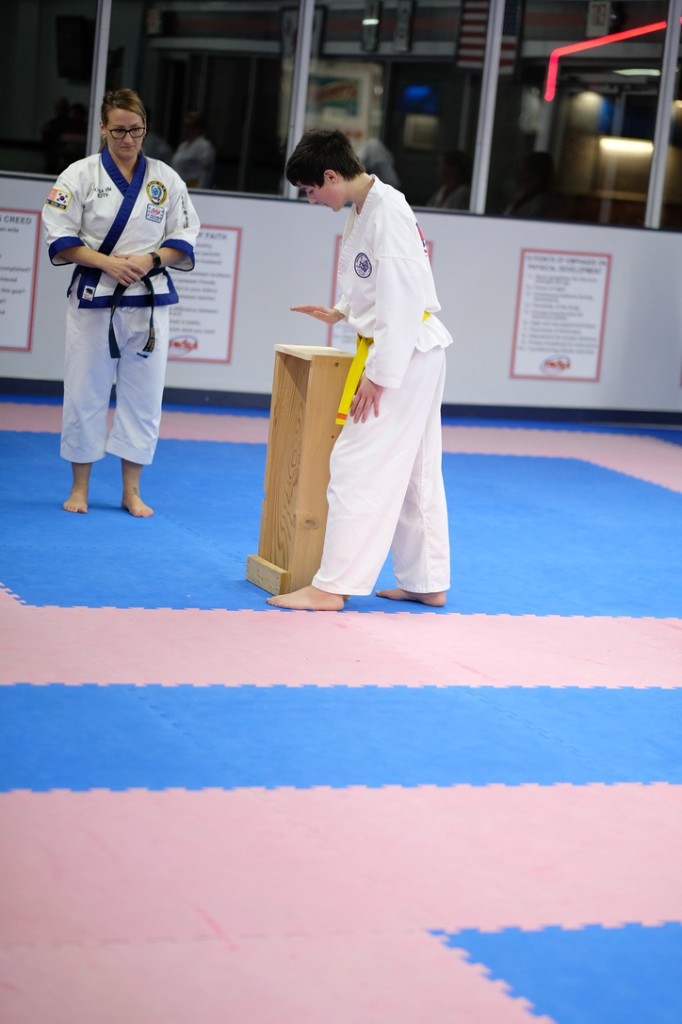
My interest extended beyond physical techniques. I studied Korean terminology, traditional customs, and the history of the art, including Grandmaster Hwang Kee’s development of Moo Duk Kwan and Dale Drouillard’s role in bringing Tang Soo Do to Michigan. Learning how instructors carried their knowledge across countries and generations helped me see my own training as part of a much larger community. Those stories sparked my interest in other cultures and in how sharing knowledge can create an impact far beyond the place where it begins.
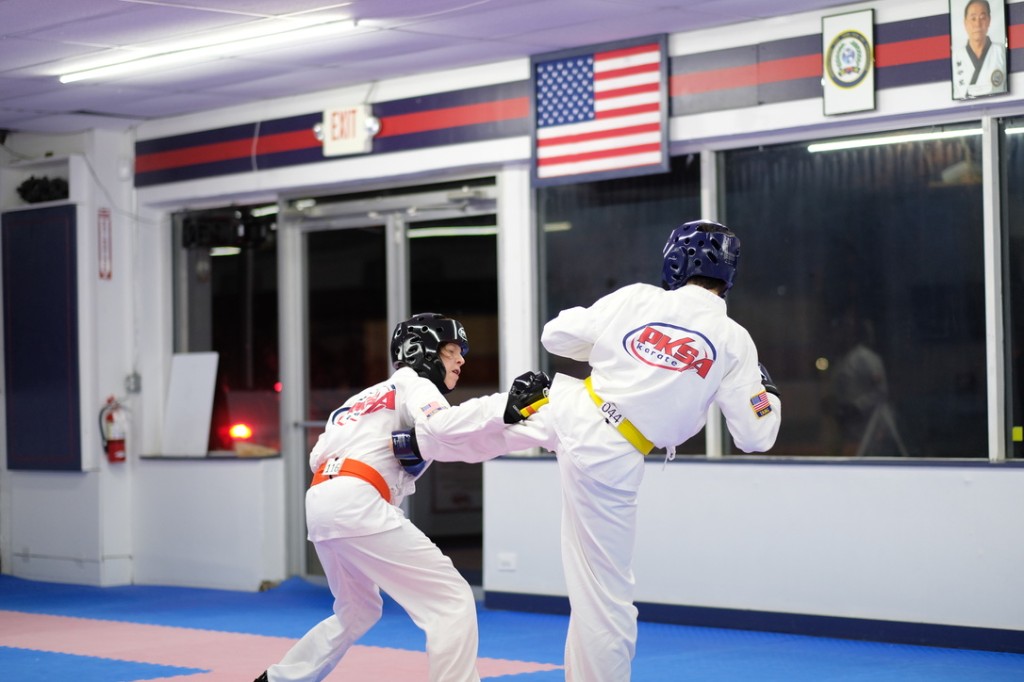
As I progressed to the highest red-belt level, I began teaching. My students ranged from six-year-olds entering a martial arts school for the first time to adults in their sixties. Some wanted to connect with their children, while others sought self-defense skills, physical fitness, or a new challenge. Although we practiced the same art, we brought different motivations and needs to the training floor.
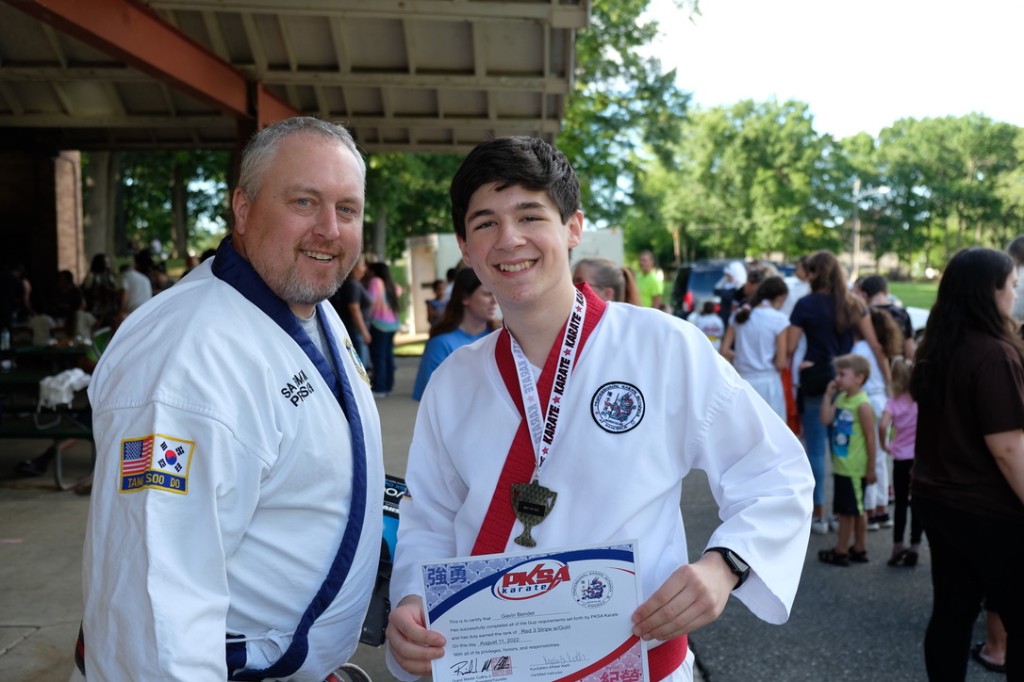
Teaching helped me understand those differences. I could not assume that what had inspired me would inspire every student. I had to listen, understand what each person hoped to gain, and adapt my instruction accordingly. This was my first sustained experience developing communication, empathy, and leadership together. Knowing a technique was only the beginning; I also needed to help someone else understand it and feel capable of learning it.
That responsibility became especially meaningful when I worked with neurodivergent students, students with anxiety disorders, and students who were nonverbal. These experiences pushed me to reconsider how I communicated and coached. I wanted each student to have access to the sense of belonging that had made martial arts so important to me. I learned to approach students as individuals and to recognize that an inclusive learning environment requires attention to how different people participate and learn. Leadership became a responsibility to help others find their own reasons to keep growing.
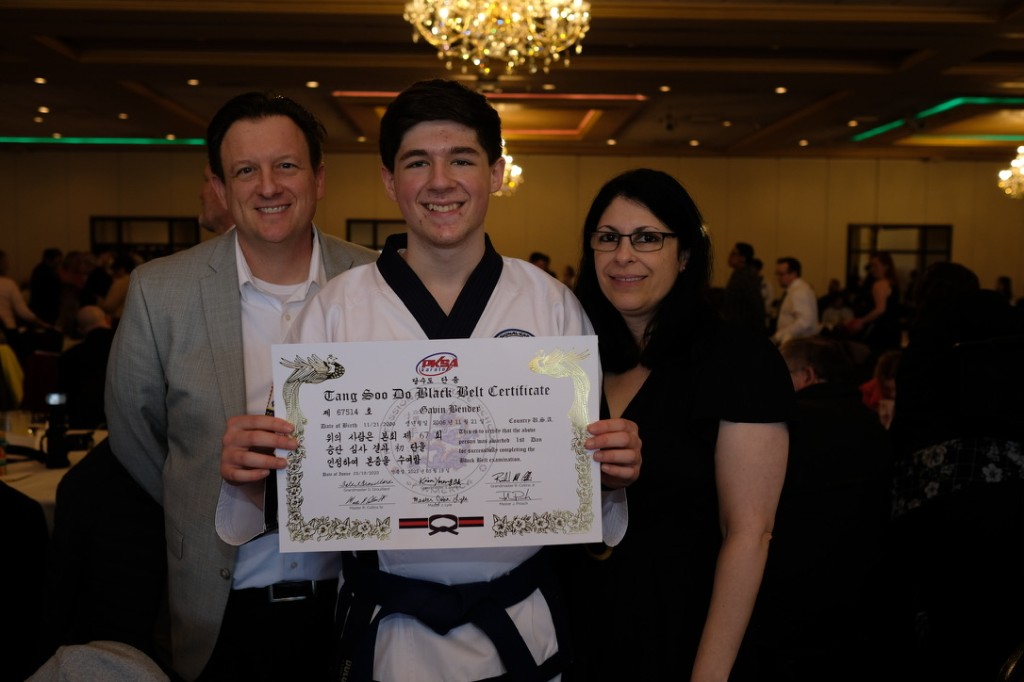
After earning my first-degree and later my second-degree black belt, I also began teaching at the city’s community center. There, I introduced martial arts to students whose understanding often came primarily from movies. I enjoyed sharing the traditions and lessons behind the techniques and helping newcomers discover what training could mean for them. Teaching in a new setting gave me more practice communicating with an unfamiliar audience and representing a community that had given me so much.
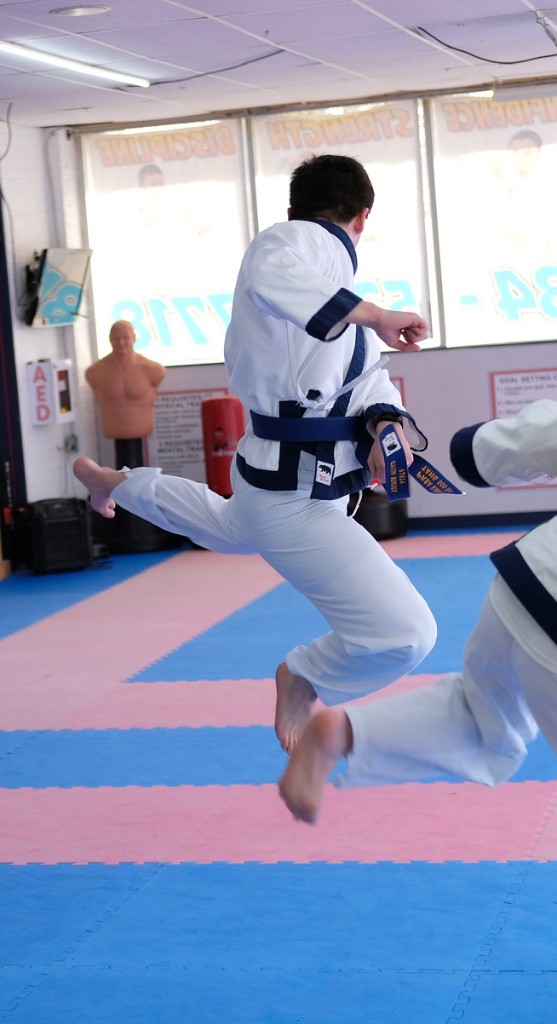
When I moved to Ann Arbor to attend the University of Michigan, I could no longer teach regularly at my original school. I continued returning on weekends to reconnect with the community and teach kendo as a special elective. At Michigan, however, I faced a different question: was I ready to become a beginner again?
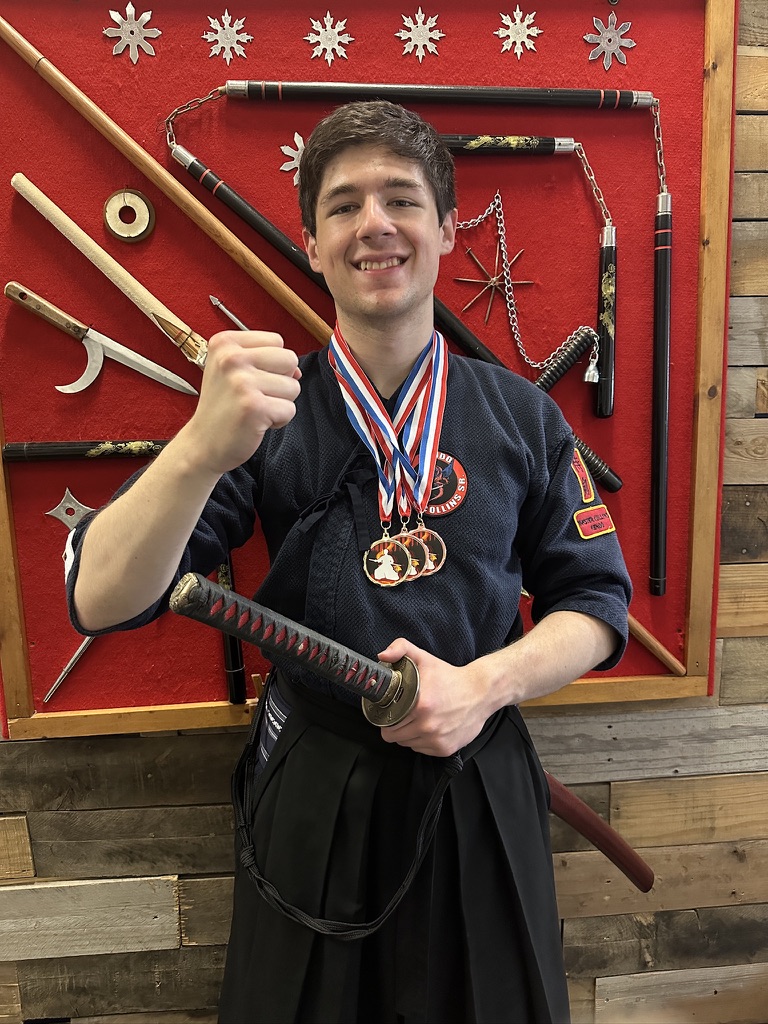
Although Taekwondo and Tang Soo Do share Korean roots and some techniques, their forms and practices differ. After years of building proficiency in one style, learning another meant accepting that some of my experience would transfer and some would not. Discovering the club’s historical roots in Tang Soo Do helped me feel connected to its community and encouraged me to make that transition.
I found a community of scholars and athletes who became close friends; several eventually became my housemates. I also encountered one of the greatest challenges of my martial arts journey: learning a new style and preparing to compete at the collegiate level within a matter of months. I relied on my teammates’ experience, accepted their feedback, and learned to ask for help. Over time, I found ways to contribute my own knowledge as well.
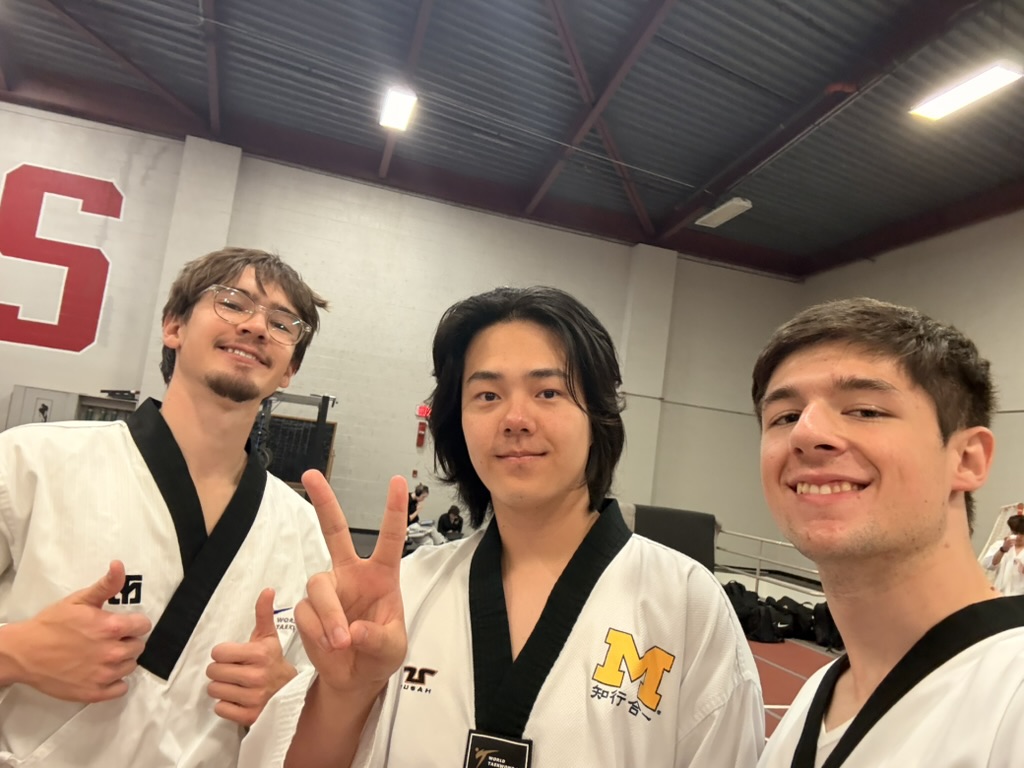
That exchange deepened my understanding of teamwork. We coached one another, shared what our different backgrounds had taught us, and helped each other improve. I brought lessons from Tang Soo Do into Taekwondo practice and carried new perspectives back to my original school. I taught Taekwondo forms to Tang Soo Do students and Tang Soo Do forms to Taekwondo students. As my understanding of Hangul, the Korean writing system, grew, I also shared what I learned with my former instructors. Moving between these communities showed me how much we can learn when we remain curious about both our similarities and our differences.
These experiences developed my global and cultural awareness through practice, language, history, and relationships. Martial arts inspired me to study Korean, Chinese, and Japanese and to explore how traditions develop and change as people share them. Training across styles also challenged me to examine the assumptions I brought from my own experience. I learned to approach an unfamiliar practice with curiosity and respect, even when it differed from something I had spent years learning.
The professional influence of martial arts is clearest in my decision to teach. Instructing at my school helped me discover how much I enjoyed helping others learn, and that experience became a major reason I pursued tutoring and later worked as a teaching assistant at the university. The same questions continue to guide me: What does this student need? How can I communicate more clearly? How can I help someone feel comfortable enough to ask questions and keep trying?
Martial arts have shaped how I learn, teach, and contribute to a team. They have taught me to adapt my communication, lead with empathy, learn across cultural differences, and remain willing to begin again. As I continue my professional journey, I want to carry those habits into every classroom, team, and community I join. The opportunity to start as a white belt gave me a place to grow; helping create that opportunity for others has become part of the professional I hope to be.